






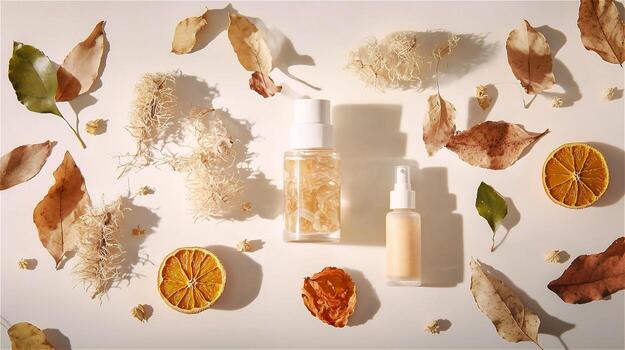
How to Care for Your Skin During Seasonal Changes
As the seasons change, so does your skin. Shifts in temperature, humidity, and environmental conditions can affect hydration levels, sensitivity, and overall balance. What works perfectly in summer may not feel right in winter — and that’s completely normal.
Here’s how to support your skin through seasonal changes without overcomplicating your routine.
Why seasons affect your skin
Your skin responds to its environment. Colder weather can reduce moisture and lead to dryness, while warmer months often increase oil production and sensitivity.
Common seasonal skin concerns include:
-
Dryness and tightness
-
Increased sensitivity
-
Breakouts
-
Dull or uneven texture
Making small adjustments can help your skin stay comfortable year-round.
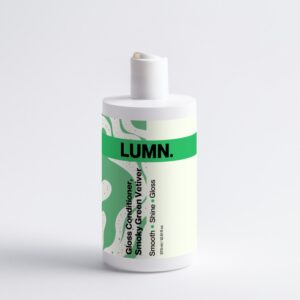
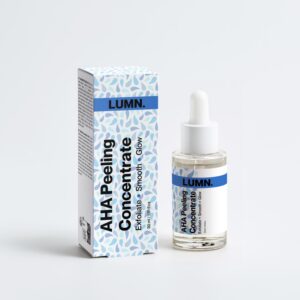
Explore our range
All Products
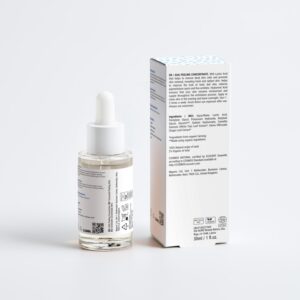
All Products
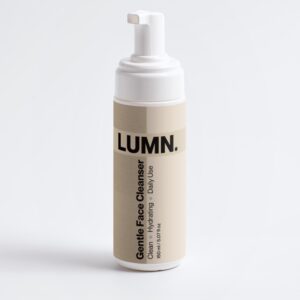
All Products
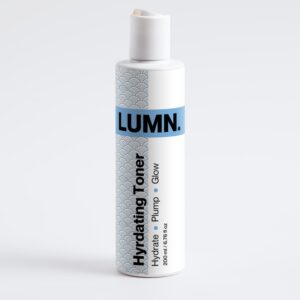
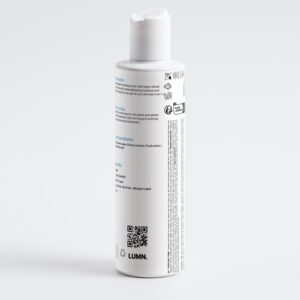
All Products
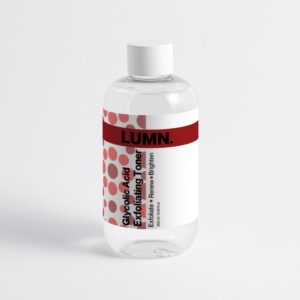
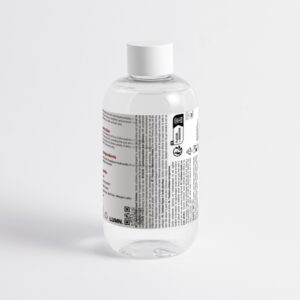
All Products
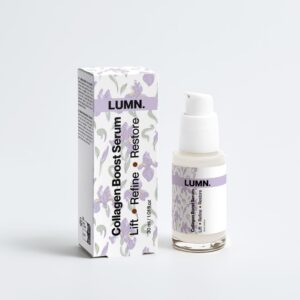
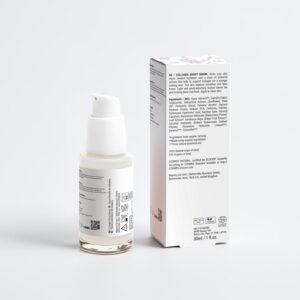
All Products
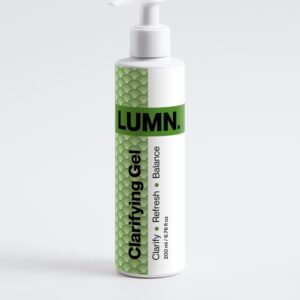
All Products
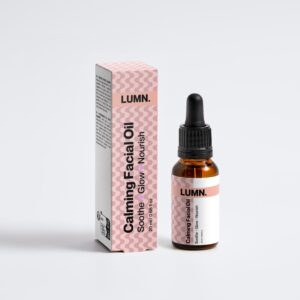
All Products
Winter: focus on hydration and protection
Cold air and indoor heating can strip moisture from the skin. During winter, prioritise nourishment and barrier support.
-
Switch to a gentler cleanser
-
Use a richer moisturiser
-
Add a face oil to lock in hydration
-
Avoid over-exfoliating
Layering hydration helps prevent dryness and irritation.
Spring: reset and rebalance
As temperatures rise, skin often begins to rebalance itself. Spring is a good time to simplify your routine.
-
Lighten up textures
-
Reintroduce gentle exfoliation
-
Focus on brightening and hydration
-
Keep SPF in your routine
Think fresh, light, and consistent.

Summer: protect and keep it light
Heat, sweat, and sun exposure increase the need for protection.
-
Cleanse thoroughly but gently
-
Choose lightweight, fast-absorbing products
-
Use SPF daily
-
Hydrate without heaviness
Even oily skin needs moisture in summer.
Autumn: repair and prepare
After sun exposure in summer, autumn is the ideal time to restore and strengthen your skin.
-
Focus on repairing the skin barrier
-
Reintroduce nourishing products
-
Support hydration as temperatures drop
-
Prepare for colder months ahead
This transition helps reduce winter dryness later on.
Final thoughts
Your skin’s needs change throughout the year — and that’s something to work with, not against. By making small, thoughtful adjustments each season, you can support healthier, more comfortable skin all year round.
Listen to your skin. Adjust when needed. Keep it simple.