
AHA vs BHA: What’s the Difference and Which Does Your Skin Need?
When it comes to effective skincare, exfoliation is key to glowing, healthy skin. But with so many options, especially acids like AHA and BHA, it can be confusing to know which one suits your skin best. Understanding the difference between these two popular exfoliants and how they work can help you make informed choices and achieve the best results. Let’s dive into the science behind AHAs and BHAs, their benefits, and which might be right for you.
What Are AHAs and BHAs?
AHAs (Alpha Hydroxy Acids) and BHAs (Beta Hydroxy Acids) are chemical exfoliants that dissolve dead skin cells, helping to refresh the skin’s surface and promote cell turnover. They are widely used in skincare to improve texture, reduce acne, and brighten skin.
AHAs: Water-Soluble Acids
AHAs are water-soluble acids derived mostly from fruits and milk sugars. They work on the skin’s surface to gently exfoliate dead skin cells and improve overall texture.
- Common AHAs include glycolic acid, lactic acid, and mandelic acid.
- They are excellent for dry, sun-damaged, or aging skin as they help smooth fine lines and brighten dullness.
- AHAs improve skin hydration by promoting the production of natural moisturizing factors.
BHAs: Oil-Soluble Acids
BHAs, primarily salicylic acid, are oil-soluble, allowing them to penetrate deep into the pores and exfoliate inside the follicle.
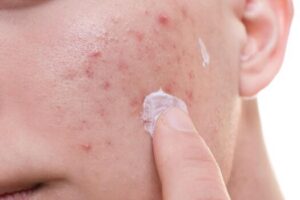
- This makes BHAs particularly effective for oily, acne-prone, and congested skin.
- BHAs have anti-inflammatory and antibacterial properties, helping to reduce redness and calm breakouts.
- They also help dissolve excess oil and clear blackheads and whiteheads.
Explore our range
Key Differences Between AHA and BHA
|
Feature |
AHA |
BHA |
|
Solubility |
Water-soluble |
Oil-soluble |
|
Exfoliation Level |
Surface exfoliation (epidermis) |
Deep pore exfoliation |
|
Best for |
Dry, sun-damaged, aging skin |
Oily, acne-prone, combination skin |
|
Benefits |
Brightens, smooths texture, hydrates |
Clears pores, reduces acne, calms skin |
|
Sun Sensitivity |
Increases photosensitivity |
Less likely to increase sensitivity |
Which One Does Your Skin Need?
If You Have Dry or Sensitive Skin
AHAs can be a gentle choice to exfoliate and hydrate your skin. They help remove flaky skin and improve skin tone without causing excessive dryness. Start with lower concentrations and always follow with a moisturizer.
If You Have Oily or Acne-Prone Skin
BHAs are your go-to. Because they penetrate oily pores, they help reduce blackheads, whiteheads, and inflammation. BHAs also soothe irritated skin, making them ideal for acne-prone or combination skin types.
For Combination or Normal Skin
You might benefit from a balanced approach, using AHAs to address surface dullness and BHAs to keep pores clear. Some products combine both acids for comprehensive exfoliation.
How to Use AHA and BHA in Your Skincare Routine
- Start Slowly: Introduce one acid at a time to avoid irritation.
- Apply at Night: Both acids can increase sun sensitivity, so use them in your evening routine.
- Moisturize: Follow up with a hydrating moisturizer to soothe the skin.
- Sun Protection: Use SPF daily to protect your skin from UV damage.
Related Lumn Products
At lumn.co.uk, we offer a curated selection of products featuring both AHAs and BHAs to suit various skin types:
AHA Products
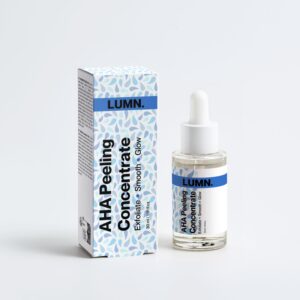
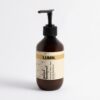
- Lumn Glycolic Acid Toner: A gentle exfoliating toner with glycolic acid that brightens dull skin and smooths texture.
- Lumn Lactic Acid Serum: Ideal for sensitive or dry skin, this serum hydrates while exfoliating for a radiant glow.
BHA Products
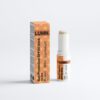
- Lumn Salicylic Acid Spot Treatment: Targets blemishes by penetrating pores to reduce inflammation and clear acne.
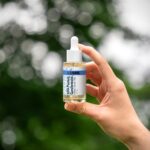
- Lumn BHA Pore Refining Serum: A lightweight formula that unclogs pores and calms redness, perfect for oily or combination skin.
Combined AHA + BHA
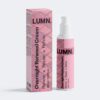
- Lumn Radiance Resurfacing Peel: A powerful exfoliant combining AHAs and BHAs to refine skin texture, reduce breakouts, and enhance radiance.
FAQs About AHA and BHA
- Can I use AHA and BHA together?
Yes, but introduce slowly and monitor your skin’s response. Some products combine both safely. - How often should I use them?
Start with 2-3 times a week, then increase if your skin tolerates it. - Will they make my skin sensitive to the sun?
AHAs increase sun sensitivity more than BHAs, so always use sunscreen during the day.
Final Thoughts
Choosing between AHA and BHA depends largely on your skin type and concerns. AHAs excel at surface exfoliation and brightening, while BHAs penetrate pores to clear acne and reduce inflammation. Both can be powerful tools in your skincare routine when used correctly.
Explore the range of AHA and BHA products at lumn.co.uk to find the perfect match for your skin. With consistent use and proper care, you can achieve clearer, smoother, and more radiant skin.