

How Fast Does a Spot Treatment Actually Work? A Realistic Timeline
Dealing with occasional breakouts is a common frustration, and when a pesky spot appears, the urge to zap it quickly is strong. Spot treatments promise swift results, but how fast do they really work? Understanding the realistic timeline and what factors influence effectiveness can help you manage your expectations and skincare routine better.
What Is a Spot Treatment?
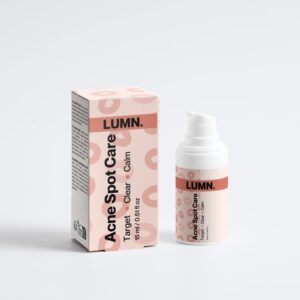
Spot treatments are skincare products designed to target individual pimples or blemishes directly. Unlike general acne treatments that work over the entire face, spot treatments focus on reducing inflammation, killing bacteria, and accelerating healing in that one specific area. Common active ingredients include:
- Benzoyl Peroxide: Kills acne-causing bacteria and helps clear pores.
- Salicylic Acid: Exfoliates inside the pore and reduces swelling.
- Sulfur: Absorbs excess oil and has antibacterial properties.
- Tea Tree Oil: A natural antiseptic with anti-inflammatory effects.
Each ingredient works in different ways, influencing how quickly you might see results.
Explore our range
The Typical Timeline for Spot Treatment Effectiveness
Within the First Few Hours (0-6 Hours)
Most spot treatments begin to work soon after application by reducing bacteria and calming inflammation. You may not see visible changes immediately, but the active ingredients start penetrating the skin to target the root cause of the spot.
- What to expect: Slight reduction in redness or swelling for sensitive skin types.
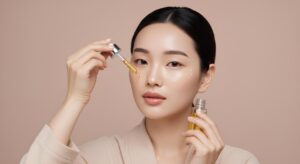
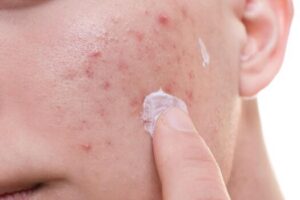
- Tip: Apply a thin layer of the treatment directly on the spot and avoid spreading it over unaffected areas to prevent irritation.
Day 1 to Day 2
In the first couple of days, you might notice some initial improvements. The spot may look less inflamed or painful as the treatment starts to reduce swelling and kill bacteria.
- What to expect: Redness and size of the pimple may decrease slightly.
- Important: Some ingredients like benzoyl peroxide can cause dryness or peeling, which is a normal sign that the product is working.
Days 3 to 5: Visible Changes
This period is when spot treatments often show more visible results. The pimple may start to shrink, the pus might come to the surface, or a whitehead can appear, indicating that the spot is healing.
- What to expect: Noticeable reduction in size and inflammation.
- Caution: Avoid picking or squeezing the spot, as this can worsen inflammation and lead to scarring.
One Week and Beyond
Most spot treatments will have significantly improved the blemish after about a week. However, complete healing and fading of any residual redness or dark marks may take longer.
- What to expect: The spot should be visibly smaller or gone.
- Note: Post-inflammatory hyperpigmentation (dark spots) can linger, especially on darker skin tones, and may require additional treatments or time to fade.
Factors Influencing How Fast Spot Treatments Work
Severity of the Spot
- Mild pimples or whiteheads respond faster, often improving within a few days.
- Deep cystic acne or nodules may take longer to heal, sometimes weeks, even with spot treatments.
Skin Type and Sensitivity
- Sensitive skin may react more quickly to active ingredients, but also may experience irritation or dryness.
- Oily skin types might see faster results as spot treatments address excess oil and clogged pores effectively.
Consistency of Use
Applying spot treatments consistently and as directed is key. Using them sporadically or over-applying can slow progress or cause irritation.
Other Skincare Products
Using harsh or incompatible products alongside spot treatments (like strong exfoliants or retinoids) can increase irritation and delay healing.
Lifestyle Factors
- Diet, stress, sleep, and hygiene all play roles in acne healing.
- Drinking water and maintaining a gentle skincare routine can support faster healing.
When to Expect Faster Results
Some spot treatments are formulated for rapid action, such as those with higher concentrations of benzoyl peroxide or salicylic acid. These can sometimes reduce a pimple within 24 to 48 hours, especially if the spot is caught early.
However, most dermatologists recommend a realistic timeline of about 3 to 7 days for noticeable improvement, emphasizing patience and consistent care over quick fixes.
Tips to Maximize the Effectiveness of Spot Treatments
- Cleanse gently before applying the treatment to avoid trapping dirt or oil.
- Apply only to the spot to minimize irritation on surrounding skin.
- Moisturize to counteract dryness, especially with benzoyl peroxide or sulfur treatments.
- Avoid picking or squeezing spots to prevent scarring and slower healing.
- Use sunscreen daily as some spot treatment ingredients can increase skin sensitivity to the sun.
When to Seek Professional Help
If a spot does not improve after a week of using spot treatments or if you experience severe acne breakouts, it may be time to consult a dermatologist. Persistent or cystic acne often requires prescription treatments or professional interventions.
In Summary
Spot treatments can be a valuable part of your skincare arsenal to tackle breakouts quickly. While some initial effects can be seen within hours, a realistic expectation is that a spot will take 3 to 7 days to show significant improvement. Factors such as the type of spot, your skin, and how consistently you use the treatment all influence the timeline.
By understanding how these products work and practicing good skincare habits, you can speed up healing and reduce the impact of blemishes on your skin and confidence.